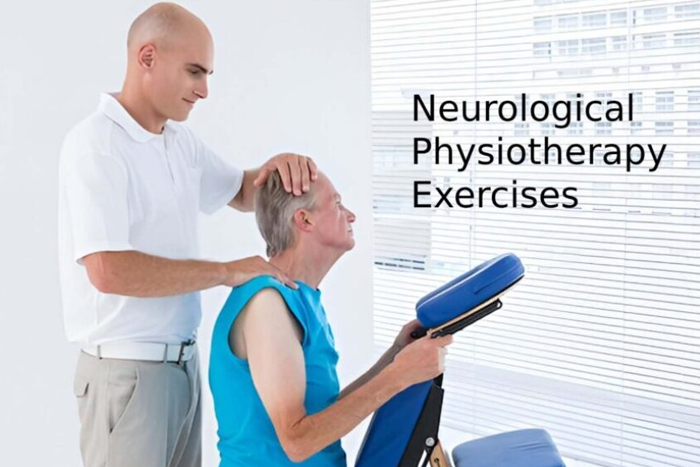
Neuro Physiotherapy
Neuro physiotherapy, also known as neurological physiotherapy, is a specialized branch of physiotherapy that focuses on the assessment, treatment, and rehabilitation of individuals with disorders of the nervous system. It aims to improve movement, balance, coordination, strength, and overall functional ability in patients affected by neurological conditions.
This form of physiotherapy is commonly used for patients with conditions such as stroke, Parkinson’s disease, multiple sclerosis, spinal cord injuries, traumatic brain injuries, cerebral palsy, and peripheral nerve injuries. These conditions can lead to muscle weakness, stiffness, impaired coordination, loss of sensation, and difficulty in performing daily activities. Neuro physiotherapy plays a crucial role in helping patients regain independence and improve their quality of life.
Treatment programs in neuro physiotherapy are highly individualized and based on a thorough evaluation of the patient’s physical abilities, limitations, and goals. Therapists use evidence-based techniques such as task-specific training, balance and gait training, motor relearning, postural control exercises, stretching, strengthening, and functional movement practice. Advanced approaches like neurodevelopmental techniques, proprioceptive neuromuscular facilitation (PNF), mirror therapy, and constraint-induced movement therapy may also be incorporated.
A key principle of neuro physiotherapy is neuroplasticity, the brain’s ability to reorganize and form new neural connections. Through repetitive, goal-oriented exercises and functional activities, therapists help stimulate the nervous system to relearn lost or impaired functions. This structured and progressive approach supports long-term recovery and functional improvement.
Neuro physiotherapists also educate patients and caregivers on posture, mobility strategies, home exercise programs, and safe handling techniques. This education ensures continuity of care beyond clinical sessions and reduces the risk of complications such as falls, joint contractures, and secondary injuries.